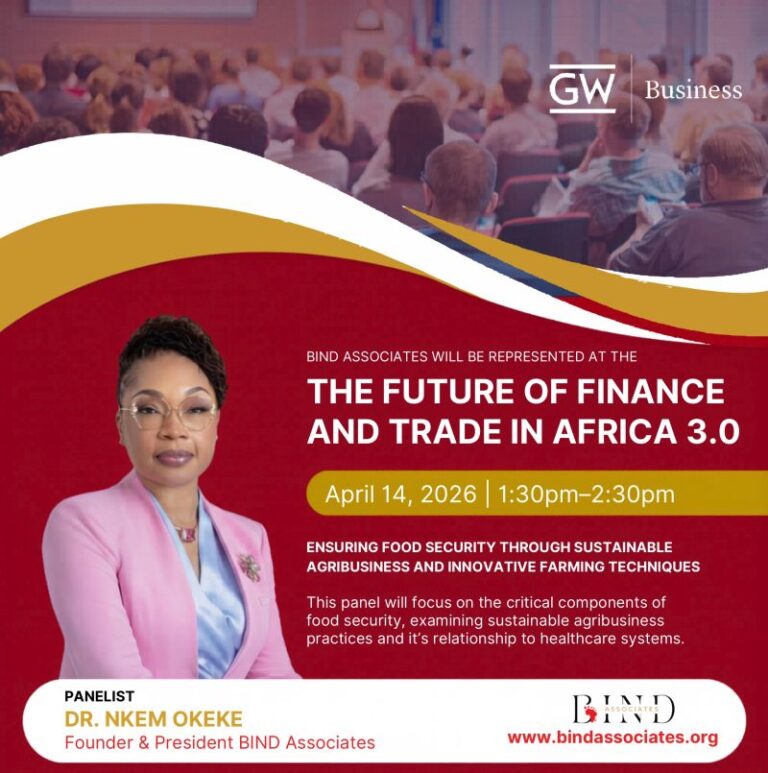
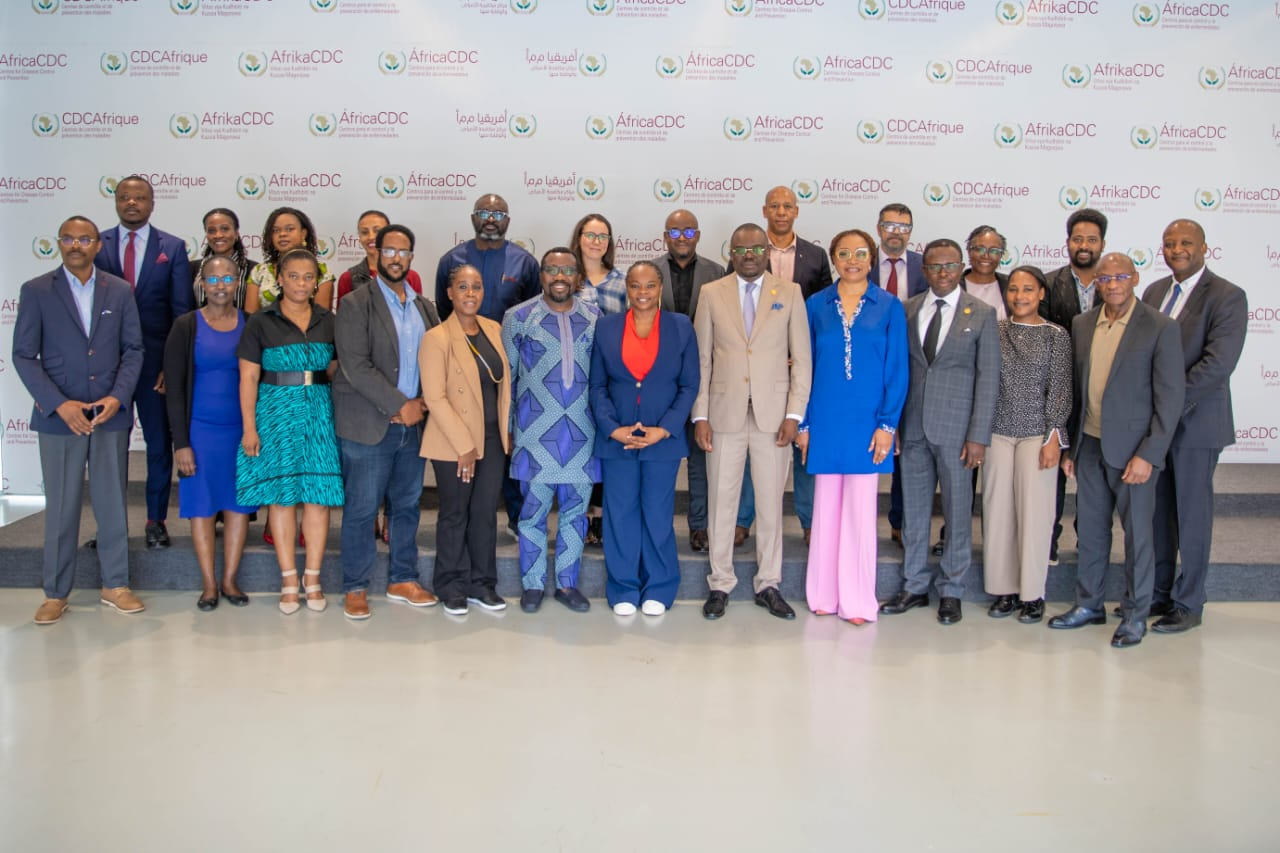
Africa CDC convened leaders and experts in Addis Ababa, Ethiopia, from March 25–27, 2026, for the Ideation Workshop on Innovative Health Financing towards Sustainable Health System through Diaspora and Private Sector, bringing together stakeholders to explore sustainable approaches to financing Africa’s health systems. Dr. Nkem Okeke represented BIND Associates, contributing to strategic conversations at a pivotal juncture in Africa’s health financing landscape.
Across the continent, declining external aid, rising debt burdens, and increasing public health demands are exposing structural vulnerability: Africa’s health systems remain heavily dependent on external financing. Official Development Assistance has fallen 70% since 2021. Debt servicing pressures consume fiscal space. Public health emergencies have surged 41% in just two years. The result is a projected annual funding gap of USD 12 billion — and no realistic path to closing it by waiting for aid flows to return.
Recent global shifts have made this reality even more clear. When external funding is reduced or withdrawn, the impact on health systems can be immediate and disruptive, affecting service delivery, workforce stability, and access to essential care. These moments highlight a deeper issue: sustainability cannot be built on uncertainty.
What emerged from the workshop was a shift in framing. The conversation is no longer only about mobilizing more funding, but about who drives it, how it is structured, and how resilient it is to external shocks. Africa’s path forward will require stronger domestic ownership of health financing, led by governments, supported by institutions, and aligned with long-term national and continental priorities.
Within this context, the role of the diaspora and private sector becomes more strategic. Rather than filling gaps left by aid, they represent complementary sources of capital, expertise, and innovation that can strengthen African-led systems. The workshop emphasized moving beyond fragmented engagement toward structured participation through mechanisms such as the proposed Expert Working Group on health innovation and financing.
Expanding the table is not simply about bringing in more actors; it is about rebalancing responsibility. Governments and African institutions must remain at the center of financing decisions, while diaspora and private sector partners contribute in ways that reinforce, rather than replace, national systems.
Sustainable healthcare financing will therefore depend on more than capital. It will require building integrated systems, from insurance and service delivery to digital infrastructure and local production, that are both investable and aligned with public health priorities.
Institutions such as Africa CDC and the African Union will play a critical role in this transition, providing the governance, coordination, and credibility needed to support an African-led financing architecture.
For BIND, the workshop reinforces a clear direction: Africa’s health future must be financed through deliberate, locally anchored strategies that reduce dependency and build resilience over time.
Expanding the table is part of that journey. But the ultimate goal is not just inclusion – it is ownership. And ownership is what will determine whether Africa’s health systems can withstand the next global shock.
Further Reading